- 01 Rules for the purchase and sale of permits
- 02 Procedure on occupational safety and health, fire safety, environmental protection, work and railway transport safety for contracting organisations working in the company's territory
- 03 Instruction on traffic safety within the company's territory
- 04 Safety requirements
Rules for the purchase and sale of permits
1. General Provisions
1.1. These rules for the purchase and sale of permits to enter the territory of AB “Klaipėdos jūrų krovinių kompanija” (hereinafter – the Company) (hereinafter – the Permits) (hereinafter – the Rules) establish the rights, obligations and responsibilities of a natural or legal person (hereinafter – the Client) purchasing the Permits through the online store at https://www.leidimai.klasco.lt (hereinafter – the EP) and of the Company. By purchasing the Permits via the EP, the Client agrees to the application of these Rules.
1.2. Before ordering Permits through the EP, the Client must carefully read these Rules and ensure that they are properly understood. Before completing an order, the Client must agree to these Rules and familiarize themselves with the Company’s rules for occupational safety and health, fire safety, environmental protection, work and railway transport safety applicable to contractors working in the Company’s territory (hereinafter – the Regulations) as well as with the Privacy Policy. Refusal to do so makes it impossible to complete the Permit order.
2. Information about the Company
2.1. AB “Klaipėdos jūrų krovinių kompanija” is a company established, registered and operating under the laws of the Republic of Lithuania, legal entity code 140346267, with its registered office at J. Zauerveino g. 18, 92122 Klaipėda. The Company’s data is collected and stored in the Register of Legal Entities administered by the State Enterprise Centre of Registers.
3. Permits
3.1. All types of Permits offered to the Client via the EP are available unless otherwise clearly indicated next to the relevant Permit. If it is not possible to issue the ordered Permit(s), the Client is immediately informed via the email address provided, and the execution of such an order is terminated. If the Client has already paid for the Permit(s), the Company refunds the paid amount within 14 (fourteen) calendar days.
3.2. Permit prices may change, but such changes will not affect orders already confirmed in the EP.
3.3. Permit prices indicated in the EP include value added tax (VAT) at the rate applicable at the time in the Republic of Lithuania. If the VAT rate changes between the date of the order and the date of issuance of the Permit(s), the price may change accordingly, except where the Client has fully paid before the VAT change took effect. The Company will inform the Client in writing of such a price change and provide the option either to purchase the Permit(s) at the adjusted price or cancel the order. The order will not be processed until the Client’s response is received. If it is not possible to contact the Client within 2 business days, the order is considered cancelled and the Client is notified by email or SMS.
Important Information Regarding Vehicle Parking at the KLASCO Terminal After Cargo Loading/Unloading
Please be advised that to ensure smooth traffic management and efficient operations within the KLASCO terminal, the following conditions for using terminal premises will apply effective April 1, 2026:
-
Departure Window: After loading/unloading operations, vehicles are allowed 3 hours to complete document processing and depart from the terminal territory.
-
Early Arrivals and Overnight Stays: Early arrival is not considered a violation. If terminal capacity permits, loading/unloading may be performed ahead of the registered time. However, if a vehicle arrives early and remains on terminal grounds overnight prior to loading/unloading, this will be classified as vehicle parking.
Failure to comply with these conditions will result in a parking fee of 30 EUR per day.
Fees must be paid at the Permit Office. Thank you for your understanding and cooperation.
4. Conclusion of the Contract
4.1. Permits in the EP may be purchased by Clients – legal entities and legally capable natural persons.
4.2. By agreeing to these Rules when ordering Permits, the Client confirms that they have the right to purchase Permits in the EP.
4.3. The purchase–sale contract in the EP (hereinafter – the Contract) between the Client and the Company is considered concluded from the moment when the Client, having placed an order in the EP, agreed to these Rules, familiarized themselves with the Regulations and Privacy Policy, chosen a payment method, and clicked the order confirmation button. The Contract is valid until all obligations are fulfilled. If the Client does not agree with the Rules, Regulations and/or Privacy Policy, the order is deemed not submitted.
4.4. By concluding the Contract, the Client agrees that an electronic VAT invoice with purchase details will be sent to the Client’s specified email address, in accordance with Article 79(11) of the VAT Law of the Republic of Lithuania. The invoice for the current month’s paid order(s) is sent by email on working days no later than the 5th day of the following month. The invoice is issued with the payment date.
4.5. Each Contract (order) between the Client and the Company is registered and stored in the EP database.
5. Client’s Rights and Obligations
5.1. The Client has the right to purchase Permits in the EP in accordance with these Rules and Lithuanian law.
5.2. The Client undertakes to provide only correct and complete data in the registration form. In case of changes, the Client must immediately update the data.
5.3. The Client undertakes not to disclose login details and/or password to third parties. If the password is lost, the Client must immediately inform the Company.
5.4. The Client must pay for and accept the ordered Permits in accordance with these Rules.
5.5. The Client undertakes to use the EP honestly and correctly, not to disrupt its operation or stability. In case of non-compliance, the Company may restrict or terminate the Client’s access without prior notice and is not liable for related losses.
5.6. The Client has other rights and obligations as provided by Lithuanian law.
6. Company’s Rights and Obligations
6.1. The Company may at any time change, suspend or terminate certain EP functions available to the Client, as well as change the EP’s design and layout. Such changes do not affect contracts concluded before the changes unless required by law.
6.2. The Company may cancel the Client’s order without prior notice if payment is not made within 1 business day. Permits are issued only after payment is received.
6.3. In case of unclear information in the order, the Company may contact the Client. If the Client fails to provide the requested information on time or cannot be reached within 2 business days, the order may be cancelled without prior notice.
6.4. If the Client attempts to disrupt the EP’s operation, the Company may restrict or terminate access without prior notice and is not liable for related losses.
6.5. The Company may unilaterally change these Rules by publishing them on the EP website. Changes apply from the moment of publication to all Contracts concluded afterwards.
6.6. The Company undertakes to respect the Client’s privacy and process personal data only as provided by these Rules, the Privacy Policy and Lithuanian law.
6.7. The service provider also has other rights and obligations as provided by Lithuanian law.
7. Issuance of Permits
7.1. Permits are issued only after payment within the deadline set by the Company, depending on workload.
7.2. In exceptional cases, issuance may be delayed due to unforeseen circumstances beyond the Company’s control. In such a case, the Company will immediately contact the Client to agree on the issuance deadline.
8. Loss of the Right to Withdraw
8.1. By concluding the Contract, the Client expressly agrees and acknowledges that they lose the right to withdraw once the Company fully executes the Contract by issuing the ordered Permit(s).
9. Liability
9.1. The Client is responsible for actions performed using the EP, including but not limited to the accuracy of registration data.
9.2. The registered Client is responsible for safeguarding their login details and for not disclosing them. If third parties use the EP with the Client’s login data, such persons are deemed the Client, who bears full responsibility.
9.3. Actions performed using the Client’s login data (identification code) have the same legal effect as a handwritten signature and may be used as evidence in court. The Client must protect these details and not disclose them. All actions performed with the identification code are considered to be performed by the Client.
9.4. For any breach of the Contract concluded through the EP, the Parties are liable in accordance with Lithuanian law.
9.5. The Company is exempt from liability when losses arise because the Client, disregarding recommendations and obligations, failed to familiarize themselves with the Rules, Regulations, or Privacy Policy, even though such an opportunity was provided.
10. Processing of Personal Data
10.1. The Company processes the Client’s personal data in accordance with the Privacy Policy, which the Client may review on the Privacy Policy page at https://www.klasco.lt/privatumo-politika/.
11. Communication of Information
11.1. The Company sends all notifications to the email address provided by the Client in the registration form.
11.2. To contact the Company, the Client must send an email to info@klasco.lt.
12. Final Provisions
12.1. The legal relations arising from these Rules shall be governed by the laws of the Republic of Lithuania.
12.2. All disputes arising from or related to the service purchase and sale contract between the Client and the Company shall be resolved through negotiations. If no agreement is reached, any dispute, disagreement or claim arising from the application of these Rules or related to them, including their breach, termination or validity, shall be finally settled in accordance with the laws of the Republic of Lithuania.
12.3. A Client who is a natural person – consumer, and who disagrees with the Company’s reply to a written complaint, may submit a request/complaint to the State Consumer Rights Protection Authority or fill in the application form on the Online Dispute Resolution platform at https://ecc.lt/pateikti-skunda/.
Procedure on occupational safety and health, fire safety, environmental protection, work and railway transport safety for contracting organisations working in the company's territory
1. General Provisions
1. This Procedure sets out the occupational safety and health, fire safety, environmental protection and railway transport safety requirements for Contractors performing works within the territory of AB “Klaipėdos jūrų krovinių kompanija” (hereinafter – the Company).
2. Each employee of the Contractor or its Subcontractor, before starting work in the Company’s territory, must familiarize themselves with the requirements set out in this Procedure. The Contractor is responsible for familiarizing its employees and Subcontractors with this Procedure and, by its signature, undertakes to comply with these requirements. This Procedure establishes minimum requirements; the Contractor may apply stricter measures than those set out herein to ensure better occupational safety and health and to reduce the negative impact of economic activities on the environment.
3. The Contractor is responsible for the safety, health and supervision of its own employees and those of its Subcontractors.
4. The Client appoints responsible persons to monitor compliance with the requirements laid down in this Procedure.
5. This Procedure is an integral part of the contract between the Parties.
2. References
6. The following legal acts and other Company-issued documents mentioned in this Procedure (without limitation) apply together with this Procedure, taking into account their version in force at the time of application:
7. Regulations on the Establishment of Workplaces on Construction Sites, approved by Order No. A1-22/D1-34 of 15 January 2008;
8. Construction Technical Regulation STR 1.06.01:2016 “Construction Works. Supervision of Construction of a Building”, approved by Order No. D1-848 of 2 December 2016;
9. General Rules for the Installation of Electrical Equipment, approved by Order No. 1-22 of 3 February 2012;
10. Rules on Safety in the Operation of Electrical Equipment, approved by Order No. 1-100 of 30 March 2010;
11. Law of the Republic of Lithuania on the Supervision of Potentially Dangerous Equipment, No. I-1324 of 2 May 1996;
12. Regulations for the Investigation and Accounting of Occupational Accidents, approved by Resolution No. 1118 of 2 September 2004;
13. Rules for the Supervision of Lifting Cranes, approved by Order No. A1-425 of 17 September 2010;
14. General Fire Safety Rules, approved by Order No. 64 of 18 February 2005, and other laws of the Republic of Lithuania, resolutions of the Seimas, decrees of the President, resolutions and orders of the Government, as well as international treaties concluded by the Republic of Lithuania.
3. General Requirements
15. The Contractor is responsible for complying with the occupational safety and health (OSH) legislation in force in the Republic of Lithuania, the Company’s OSH instructions applicable in the Company, and other documents regulating occupational safety and health at work. The Contractor shall familiarize itself with the Company’s OSH instructions and other documents applicable to it at the Company’s Occupational Safety Department.
16. The Contractor shall:
16.1. Hold valid certificates, licenses and other documents required for the performance of the relevant works;
16.2. Appoint responsible persons for the performance and control of works (site managers, OSH specialists, etc.);
16.3. Assign only properly trained, instructed employees who hold the necessary certificates to perform the works. The Contractor must ensure that its employees are capable of providing first aid;
16.4. Instruct employees at the workplace, acquainting them with existing and potential hazards and risk factors, employees’ actions in the event of emergencies, fire or accidents, the OSH requirements applied by the Company to the works assigned to them, the safety requirements for visitors (Annex 1), and other requirements that employees are obliged to know;
17. Provide employees with personal protective equipment (PPE) that complies with EN standards and is CE-marked, including:
17.1. a protective helmet with chin strap;
17.2. protective footwear with toe protection (metal or composite cap);
17.3. special workwear with identification marks (inscription with company name or high-visibility vests);
17.4. protective gloves;
17.5. personal fall-protection equipment (when working at height);
17.6. hearing protection (when working in noisy environments);
17.7. safety goggles, face shield (for grinding, cutting, working with chemicals, etc.);
17.8. respiratory protection (when working in dusty environments);
17.9. welding shield with light filter (for welding works);
17.10. and other PPE as required by the specific work.
18. Ensure that all employees, in accordance with Lithuanian legal requirements, have undergone medical examinations appropriate to the hazardous and/or harmful workplace factors to which they may be exposed when performing the agreed works and/or providing services in the Company, and possess the relevant medical certificates.
19. Ensure that vehicles, equipment, devices and tools used in the Company are in good condition, inspected and/or tested in accordance with the requirements of OSH regulations in force in Lithuania, and have all documents necessary for their operation. When installing temporary mobile facilities, the Contractor must coordinate this with the Company’s person appointed to supervise contract works.
20. Observe the Road Traffic Rules and the Company’s internal road markings within the Company’s territory. In areas not regulated by road signs, Company vehicles and cargo-handling machinery have priority. Vehicles of other organizations must not obstruct their operation or safe traffic and must yield.
21. The use of electric micro-mobility devices (e-scooters, hoverboards, etc.) is prohibited within the Company’s territory.
22. Perform works in accordance with the permit-to-work issuance procedure laid down in the Company’s OSH instructions.
23. The Contractor shall ensure:
23.1. proper planning, organization, coordination, execution and supervision of works in compliance with occupational safety and health, railway transport safe traffic, fire safety, civil protection and environmental requirements;
23.2. fencing of unsafe and hazardous work zones to prevent unauthorized persons (e.g., Company employees) from entering them;
23.3. proper and safe layout of workplaces, taking into account access conditions;
23.4. provision of employees with collective and personal protective equipment, work tools, inventory, first-aid kits and initial fire-fighting means;
23.5. proper technical condition of work equipment and machinery, including their maintenance, pre-use and periodic inspections;
23.6. provision of welfare (sanitary) facilities for employees. The Company is not obliged to provide welfare facilities to the Contractor. The Parties shall agree separately on the provision of such facilities;
23.7. order and cleanliness in the work area;
23.8. proper storage and warehousing of materials and equipment;
23.9. smoking only in areas marked “Smoking area”;
23.10. safe use of chemical substances and preparations, familiarization of employees with safety data sheets, storage in sealed containers, and proper management of hazardous waste;
23.11. collection and sorting of hazardous and non-hazardous waste into designated containers, or handover to waste managers;
23.12. clean-up and remediation of any spills of oil products or chemicals;
23.13. after using the Company’s primary fire-fighting equipment, first-aid kit or other means, inform the Company’s dispatcher – shift supervisor by phone at (8-46) 399 482 or +370 614 26971.
24. Contractor’s employees are prohibited from:
24.1. performing works in violation of occupational safety and health, railway transport safe-traffic, fire safety, civil protection and environmental requirements;
24.2. bringing in, carrying in or using alcohol or narcotic substances;
24.3. entering the territory under the influence of alcohol or narcotic substances;
24.4. bringing in or carrying in weapons and hazardous substances;
24.5. using the Company’s or other Contractors’/Subcontractors’ vehicles, lifting equipment, machinery or other devices without the owner’s written permission;
24.6. arbitrarily switching off, modifying or removing the power supply, safety devices or signs of the equipment and means used;
24.7. performing hazardous works or operating potentially dangerous equipment without the appropriate qualifications;
24.8. using the Company’s potentially dangerous equipment without written permission to use such equipment;
24.9. driving faster than 30 km/h in the Company’s territory, 10 km/h at intersections and railway level crossings, and 5 km/h in enclosed warehouses or when entering/exiting them, when entering a main road, or on road surfaces under repair;
24.10. leaving vehicles in cargo-handling zones; parking spaces are marked in Annex 1;
24.11. performing hazardous “hot works” without a Hot Work Permit and without coordination with the Company’s Occupational Safety Department;
24.12. burning material waste or rubbish;
24.13. littering, failing to comply with the Company’s established procedures, or smoking in non-designated areas;
24.14. walking around the Company’s territory without an escort, or entering areas that are not included in the Contractor’s work zones;
24.15. disposing of metal, wood, plastic, glass, construction and other non-household waste into household waste containers;
24.16. using electric micro-mobility devices (e-scooters, hoverboards, etc.) within the Company’s territory.
25. Comply with the requirements applicable within railway track protection zones and for railway infrastructure:
25.1. walk only along the shoulder or the edge of the embankment, keeping at least 2.5 m away from the outer rail;
25.2. cross tracks at right angles, first making sure there are no approaching rail vehicles. When crossing in front of stationary rolling stock, remember that it may start moving; also keep in mind that trains may be running on adjacent tracks. When stepping onto the track from behind platforms, embankments or other installations, first ensure there are no moving rail vehicles;
25.3. pass stationary rolling stock on the track at a distance of no less than 5 m from the last wagon. Walking between stationary rail vehicles is allowed only if the distance between them is at least 10 m;
25.4. in confined spaces where there are high platforms, buildings, fences or installations on both sides of the track, identify in advance a place to step aside from the track when a rail vehicle approaches;
25.5. crawl under wagons, drag items underneath them, climb over automatic coupling devices, or walk between wagons standing closer than 10 m to each other;
25.6. walk in areas where point (switch) mechanisms are located;
25.7. walk or run across the track in front of an approaching train consist or locomotive;
25.8. sit on rails, the ends of sleepers, ballast within the track gauge or on the track spacing, as well as on stacks/racks of spare rails;
25.9. cover the ears tightly (e.g., listen to earphones, etc.), as this may prevent hearing an approaching train or other rail vehicle.
4. Contractor’s Duties and Liability
26. The Contractor is responsible for complying with the requirements of the occupational safety and health legislation of the Republic of Lithuania and other documents regulating occupational safety and health at work.
27. The Contractor must ensure that all tools, machinery, scaffolding, ladders, lifting equipment, electrical and mechanical devices and other equipment and installations are in good technical condition, earthed, meet the requirements of the normative acts of the Republic of Lithuania, are stored in a safe place and used in accordance with safe operating rules.
28. For connecting the electrical tools and mechanisms used in its work, the Contractor shall bring a portable switchboard and is responsible for its safe condition and safe operating conditions. The portable switchboard shall be connected to the live network by the Company’s responsible persons. When using the Company’s switchboards, the Contractor is allowed to plug electrical devices into/out of sockets. It is prohibited to perform any actions with switchboards, sockets, etc. in the event of a power outage, blown fuses, and the like. Earthing of electrical equipment is carried out by a responsible person appointed by the Company. The Contractor shall contact the Company regarding equipment requiring earthing, electrical faults that have occurred, etc.
29. The Contractor’s site managers must be present in the assigned work area at all times and perform their functions. When the site manager is absent from the assigned work area, a designated deputy — a works supervisor/foreman — must replace them and remain in the work area for the entire duration of the works.
30. The Contractor may work only within the handed-over work area. It is prohibited to expand the work area on one’s own initiative, to walk around the Client’s premises or territory, or to perform additional works not provided for in the contract. The site managers of those organizations whose site managers have accepted the specific workplace are responsible for the safety of the Contractor’s employees at that workplace.
31. The Contractor may not leave unfinished or partially finished work in unsafe conditions or in circumstances that could jeopardise the work, employees’ safety and health, or damage equipment. The Contractor must continue the works until a safe stage of execution is reached.
32. The Contractor must immediately inform the Company’s dispatcher – shift supervisor of all occupational accidents, fires, unexpected spills of technical fluids, oil or fuel, damage to the Company’s equipment, and near-miss incidents that occurred at the Contractor’s workplace by calling (8-46) 399482 or +370 614 26971. Accidents at work are investigated and recorded by the Contractor.
33. The Contractor must control and ensure that its employees and Subcontractors in the Company’s territory are sober, i.e. the concentration of ethyl alcohol in the blood and other biological media does not exceed 0.00‰, and that they are not under the influence of narcotic or toxic substances. The Contractor shall immediately remove intoxicated or impaired employees from work and escort them out of the Company’s territory.
34. Waste generated during the performance of works shall be collected, sorted, accounted for and disposed of by the Contractor in accordance with the Waste Management Rules, unless otherwise provided in the works contract. For proper collection, sorting and storage of waste, the Contractor must have its own containers for hazardous and non-hazardous waste before starting the works.
35. Damage suffered by the Company due to the Contractor’s fault will be recovered in accordance with the laws of the Republic of Lithuania.
36. The Contractor must familiarize itself with the Company’s “Quality, Environmental, Occupational Safety and Health Policy” published at https://www.klasco.lt/tvarumas/ and comply with its requirements.
37. Contractor representatives may familiarize themselves with the “Safety Report” and the “Internal Emergency Plan” at the Occupational Safety Department.
38. Contractors must familiarize their employees with the information provided in this document.
Instruction on traffic safety within the company's territory
1. General Part
1. The Instruction establishes the internal traffic procedures throughout the territory of AB “Klaipėdos jūrų krovinių kompanija”
2. The requirements of the Instruction apply to vehicles, all types of motor vehicles, railway transport, cargo-handling machines, self-propelled mechanisms, cyclists, electric micro-mobility devices, and pedestrians.
3. The requirements of this Instruction are mandatory for all Company employees; employees of other companies and organizations performing works in the Company’s territory; and persons entering on foot or driving any type of vehicle and being within the Company’s territory. Their managers must familiarize their employees with the requirements of this Instruction and ensure compliance. The traffic scheme for vehicles and pedestrians is indicated in the “Scheme of Vehicle and Pedestrian Traffic within the Company’s Territory (Annex 1)”.
4. The behavior of road users within the Company’s territory is based on mutual respect and caution.
5. Road users must be familiar with this Instruction and comply with its requirements, as well as with road signs and road markings.
6. Road users must take all necessary precautions, not endanger the safety of other road users, other persons or their property, or the environment, and must not impede their movement. To avoid or reduce adverse consequences, they must take all necessary measures, except in cases where this would endanger their own or others’ life or health, or where such measures would cause more damage than could be avoided.
7. Road users may not, on their own initiative, relocate, cover, remove or install traffic control devices, block the road, leave any objects on the road or otherwise obstruct traffic; damage the road, traffic control devices or greenery; block or otherwise obstruct access to a fire hydrant or other installed rescue equipment; throw any objects or litter from a vehicle; pour lubricants in places not intended for that purpose; or otherwise pollute the environment.
8. Road users who have created or noticed an obstacle on the road, or who have caused or noticed a hazard on it, must remove this obstacle or hazard; if unable to do so, they must inform the dispatcher – shift supervisor at ext. 9093 or 9482, mobile +370 614 26971, mark the obstacle or hazardous place, and warn other road users about the obstacle or hazard by all possible means.
9. Road users must immediately give way to approaching special-purpose vehicles with blue and red (or blue only) beacons and special sound signals and to vehicles escorted by them. Drivers must stop on the right-hand shoulder, or, if none, at the right edge of the carriageway.
10. It is prohibited to drive a vehicle without the right to do so, as well as while intoxicated, under the influence of psychoactive substances, or without having taken the daily rest required by law. It is also prohibited to drive when ill or fatigued if this may endanger road safety, and to allow a vehicle to be driven by persons affected by any of the above factors or who do not have the right to drive that vehicle. When driving, the driver must comply with any conditions indicated on their driving license.
11. It is prohibited to drive a technically unroadworthy vehicle, a vehicle that does not meet technical requirements, with expired state technical inspection, or to operate cargo-handling machinery past its inspection due date. Before starting to drive, the driver of a motor vehicle, tractor or self-propelled machine must ensure that the vehicle is in order and that it carries first-aid, fire-safety, emergency stopping marking and other means mandatory for that vehicle type, and must monitor the vehicle’s technical condition while driving. If a vehicle breaks down while in motion and no longer meets technical requirements and the fault cannot be rectified, the driver, observing necessary precautions, may proceed to a parking or repair location.
12. The driver must take all necessary measures to ensure their own, passengers’ and cargo safety during the journey. The driver is prohibited from driving (continuing to drive) if there are (or arise while driving) violations of the rules for carrying passengers (cargo) that endanger people and the environment, until such violations are eliminated.
13. A moped, motorcycle, tricycle, as well as a light quadricycle, quadricycle, powerful quadricycle and heavy quadricycle (hereinafter – all types of quad bikes) must be driven with both hands (except when signaling by hand).
14. Drivers of motor vehicles, tractors and self-propelled machines are prohibited from using mobile communications devices if they are used by hand, except when the vehicle is stationary with the engine switched off. Drivers must avoid any actions not related to driving the vehicle.
15. In places within the Company’s territory not regulated by road signs, the Company’s vehicles and cargo-handling machinery have priority. Vehicles of other organisations must not interfere with their work or safe traffic and must yield.
16. All motor vehicles moving within the territory must drive with dipped headlights on. During daylight hours, cargo-handling machinery may use only a yellow warning beacon; in poor visibility and during hours of darkness, dipped headlights must also be switched on.
17. All road users must comply with the Law on Road Traffic Safety of the Republic of Lithuania, the Rules for the Use of the Klaipėda State Seaport, and the Road Traffic Rules.
2. Key Terms
18. Road user – any person participating in road traffic: a driver, pedestrian, or passenger.
19. Hazardous zones – quays and areas of the Company’s territory where construction or repair works are carried out, railway consists are shunted, and cargo-handling equipment operates.
20. Cargo-handling zone – an area of the Company where cargo-handling operations are performed using machinery and/or technological equipment.
21. Pedestrian – a person within the Company’s territory who is not in a vehicle, as well as a person travelling in a wheelchair, or leading a bicycle, moped, or motorcycle. A person working on the roadway is not considered a pedestrian.
22. Pedestrian path – a part of the territory or a path designated for pedestrians, marked with the corresponding road signs “Pedestrian path” and/or horizontal road markings.
23. Vehicle – a means intended for the carriage of persons or goods. This term also includes tractors, self-propelled machines, crane-equipped machines, and passenger cars.
24. Parking (standing) – a premeditated stop of a vehicle for a longer period than necessary for boarding/alighting passengers or loading/unloading the vehicle.
25. Cargo-handling machinery – forklift and front-end loaders, mobile loaders, lifting platforms, and terminal/port tractors.
3. Requirements for the Territory and Work Organization to Ensure Traffic Safety
26. The Company’s territory must meet the following requirements:
26.1. Roads, access ways, and walkways must not be obstructed by cargo or other objects that impede free passage of vehicles and pedestrians.
26.2. Roads, drive-throughs, quays, railway tracks, level crossings and pedestrian crossings must be continually maintained, orderly, clean, illuminated, and their surfaces repaired in due time to ensure safe traffic for road vehicles, cargo-handling machines, self-propelled mechanisms, railway transport, and pedestrians.
26.3. Road signs must be installed/displayed in the territory, and hazardous road sections must be appropriately marked.
26.4. Snow, ice, mud, litter, and oil-product residues must be cleared from roads, drive-throughs, level crossings, and pedestrian crossings. In icy conditions, sand must be spread; in warm/dry periods, surfaces should be sprinkled with water.
26.5. Dedicated and marked locations (lots) are provided in the territory for parking cargo-handling machines and vehicles so as not to impede safe traffic. Using drive-throughs for parking is prohibited; disciplinary measures apply for parking in unauthorized places.
26.6. All manholes, wells, pits, trenches, and other hazardous places posing risks to traffic and pedestrians must be covered with lids or securely (along the entire perimeter) fenced with retaining walls or special guardrails and marked with STOP tape. The fence height must be at least 1.6 m.
27. It is prohibited to obstruct the carriageway of roads and drive-throughs, pedestrian crossings, and railway or crane tracks. The following clearances must be observed:
27.1. width of main drive-throughs for cargo-handling machines and road vehicles – at least 6.0 m;
27.2. drive-throughs for forklifts between cargo stacks – 3.5 m;
27.3. walkways between stacks, between cargo and a warehouse wall – 1.0 m; between combustible/hazardous materials (wood, ammonium nitrate fertilizer) – 2.0 m.
28. In open yards, cargo may be stored:
28.1. no closer than 1 m from the most protruding part of a crane portal;
28.2. 2.5 m from the rail head;
28.3. 1.5 m from the edge of the carriageway.
29. Unauthorized persons are prohibited from being present where cargo-handling operations are in progress.
30. When working with cranes equipped with grabs, electromagnets or automatic grippers, no persons may be within the crane operating zone; driving, walking, or performing any other work there is prohibited. Such a work zone must be marked with warning signs.
31. Cargo may be reloaded on the carriageway only after placing warning signs on both sides of the cargo-handling zone on that road.
32. Durable wheel stoppers/bumpers must be installed along the edges at the front of quays and on cargo ramps to prevent vehicles from falling off.
4. Movement of Vehicles within the Company’s Territory
33. Traffic and operations within the Company’s territory involve risk factors and require maximum caution and attentiveness from drivers.
34. Drivers must present their licences to persons responsible for occupational safety and health control.
35. The speed of vehicles on Company roads must allow a stop within a safe distance in case of an unexpected obstacle, and must not exceed 30 km/h.
36. Vehicle speed on roads must not exceed:
36.1. 15 km/h – when approaching controlled railway level crossings;
36.2. 10 km/h – when approaching uncontrolled intersections and level crossings, in narrow passages, when towing other machines, or when lighting has failed;
36.3. 5 km/h – when entering a main road from a side road, inside enclosed warehouse premises, when travelling on road surfaces under repair, and in places marked with danger notices and signs;
36.4. 3 km/h – on ramps.
37. When entering a road from adjacent areas or warehouses, and when leaving a road for adjacent areas or warehouses, the driver must give way to a pedestrian whose path they cross; when turning right or left, the driver must give way to a pedestrian who has stepped into, is stepping into, or is standing just before the traffic lane (edge of the carriageway) in the direction of travel and waiting to cross. The driver must always give way to pedestrians when reversing.
38. When operating vehicles or cargo-handling machinery in warehouses, on quays, or on ramps, speed must be steady, without unnecessary acceleration or abrupt braking. In such work zones the driver must be particularly attentive and constantly monitor the road condition and trajectory.
39. When vehicles travel one behind another, drivers must keep a safe distance sufficient to stop in time if the vehicle ahead brakes.
40. In hazardous places (e.g., doors, gates, narrow passages between warehouses and cargo stacks, passing parked vehicles or other obstacles ahead, turning around, and other unclear places), the driver must exercise special caution, reduce speed to a minimum, use warning signals if necessary, and manoeuvre so as not to hit the obstacle.
41. It is prohibited to drive when the work zone is not visible.
42. Before moving forward, reversing, or making any other manoeuvre, the driver must ensure the section of road is clear, that no persons are nearby, and that full traffic safety is ensured. If reversing in poor visibility conditions or if the automatic reversing sound signal (buzzer) is faulty, an employee must stand behind the vehicle to signal to the driver.
43. It is prohibited to leave vehicles on uphills or downhills, in warehouse doorways, on railway tracks and level crossings or within 5 m of them, as well as closer than 5 m to the edge of a quay; it is also prohibited to leave forklifts with the bucket raised or with a load on the forks.
44. For non-Company vehicle drivers, if the vehicle is not parked in a designated space, it is prohibited to get out of the vehicle and walk around the Company’s territory on one’s own initiative, except where this is necessary to perform direct tasks for carriage, loading/unloading, or other functions with the vehicle.
45. A driver who has left the vehicle is subject to the Section IX requirements for pedestrians within the Company’s territory.
46. It is prohibited to hand over a cargo-handling machine to another person on one’s own initiative.
47. When railway wagons are being loaded/unloaded, and when any work is carried out between or near wagons and railway tracks, the responsible employees managing these works must place prescribed stop signs on the side from which rolling stock could arrive – at a distance of 50 m from the end wagons or the work area of vehicles. If, for technical reasons, this distance cannot be maintained, the sign must be placed no closer than 15 m.
48. Before starting cargo-handling works, the works supervisor must establish the route and traffic arrangements for vehicles adapted to the specific working conditions; install signs and barriers in the work zone; and instruct drivers regarding the traffic route.
49. The works supervisor must assign signalers to direct vehicle traffic in road sections with poor visibility.
50. It is prohibited to operate forklifts, tractors/tugs, or other vehicles on quays or ramps where wheel stoppers are not installed or are damaged and cannot function properly.
51. It is prohibited to drive and work with open-type forklifts or with forklift cab doors open if the driver is not wearing the cab seat belt and the cab doors are not properly secured.
52. When transporting an oversized load by forklift, or when the load is unsecured and obstructs the driver’s view, it is recommended to travel slowly at walking pace, with a designated employee walking ahead of the forklift to prevent collisions with other vehicles.
53. Vehicles not involved in cargo handling or servicing are prohibited from entering the area bounded by portal crane rails.
54. Towing and transporting vehicles:
54.1. Towing one machine with another by rigid or flexible tow is permitted only when the steering mechanisms and brakes of both machines are in working order.
54.2. The drivers of both the towing and towed vehicles must hold driving licences entitling them to drive the respective vehicles.
54.3. A vehicle with a faulty steering mechanism must be transported on a tow truck platform, or (with port equipment only) by slinging its front or rear with slings/ropes and lifting it with another loader.
54.4. The length of a flexible tow must be from 4 m to 6 m; it must be marked with high-visibility flags/plates or be of a bright colour and at least 50 mm wide. A rigid tow must not exceed 4 m in length.
54.5. A towed vehicle, or (with port equipment only) a vehicle whose front or rear is slung and lifted with another loader, must travel at any time of day with hazard warning lights on. If hazard lights are absent or not working, an emergency warning triangle must be attached in a visible place at the rear of the towed vehicle or the transported vehicle part facing the direction opposite to traffic.
55. It is prohibited to throw any objects from vehicles, spill lubricants or fuel, or otherwise pollute the environment.
56. Stopping and parking are prohibited:
56.1. on railway level crossings and in technical/service drive-throughs;
56.2. on pedestrian crossings and within 5 m of them;
56.3. on lawns and pavements;
56.4. on pedestrian paths, as well as within 5 m before the intersection of the carriageway with a pedestrian path;
56.5. in places where a stopped vehicle would block road signs for other drivers or impede the movement of other vehicles or pedestrians;
56.6. parking vehicles, loading any items, or installing equipment on the quay edge up to the first rail (if there is no rail – within 4 m from the quay edge);
56.7. in cargo-handling zones, except for vehicles involved in handling.
57. If forced to stop where stopping/parking is prohibited, the driver must switch on hazard warning lights (place an emergency warning triangle) and remove the vehicle from the road as quickly as possible.
58. Access permits to enter the territory of AB “Klaipėdos jūrų krovinių kompanija” are revoked and not reissued in the following cases:
58.1. if the vehicle driver is intoxicated, under the influence of narcotics or other intoxicating substances, or does not have a driving licence entitling them to drive that vehicle category;
58.2. if the vehicle driver violates the Road Traffic Rules;
58.3. if the vehicle driver creates a hazardous situation or causes a traffic accident through the driver’s fault.
5. Requirements for Cyclists and Riders of Electric Micro-Mobility Devices
59. Without a separate permit, Contractors and visitors are prohibited from riding bicycles and electric micro-mobility devices within the Company’s territory.
60. A cyclist/electric micro-mobility rider (hereinafter – cyclist) may ride in the territory only with a bicycle that is in good technical condition (serviceable brakes, steering mechanism, wheels, lights, etc.). A red reflector must be fitted at the rear, and orange reflectors or other reflective elements on both sides.
61. When riding during hours of darkness or in poor visibility, a white light must be illuminated at the front of the bicycle and a red light at the rear.
62. The cyclist must wear clothing or a high-visibility vest with reflective elements, and the bicycle must have a white light illuminated at the front and a red light at the rear.
63. The cyclist must wear a protective helmet with the chin strap fastened.
64. Employees not involved in cargo handling, work supervision, or equipment servicing/repairs are prohibited from cycling in cargo-handling zones.
65. Service companies, contractors and subcontractors may enter a cargo-handling zone by bicycle only if they are performing relevant work there and have coordinated this in advance with the site manager.
66. Cycling speed in cargo-handling zones must be limited to a minimum. When riding and manoeuvring among vehicles, a safe distance must be kept so that if a vehicle starts moving unexpectedly or changes direction, it is possible to stop safely or retreat to a safe place.
67. When approaching a place where the carriageway or railway tracks must be crossed, the cyclist must in all cases reduce speed and may proceed only after ensuring it is safe and will not obstruct other road users.
68. Cyclists must be cautious in poor visibility, when emerging from behind cargo stacks, buildings or other structures, and when passing open warehouse gates and doors.
69. Where crossing an uncontrolled carriageway, the cyclist must give way to vehicles travelling on the carriageway, except when crossing exits from adjacent areas or car parks, or crossing a carriageway into which other drivers are turning.
70. In places (e.g., level crossings) controlled by traffic lights, cyclists must obey the signals.
71. When crossing rails, ride as perpendicular to the rails as possible to avoid wheel slip on the rail and a fall.
72. Cyclists are prohibited from:
72.1. riding on a slippery surface (black ice, glaze ice, snow, etc.) unless studded tyres are fitted;
72.2. riding without holding the handlebar with at least one hand;
72.3. carrying passengers unless special seating is provided;
72.4. carrying, towing or pushing loads that impede control or endanger other road users;
72.5. being towed by other vehicles;
72.6. towing other vehicles, except for trailers intended for that purpose;
72.7. riding while holding onto other vehicles;
72.8. riding in winter when roads are covered with snow or ice.
6. Requirements for Transporting People within the Company’s Territory
73. People may be transported only in vehicles intended for that purpose; the number of persons must not exceed the number of seats.
74. Company employees and other persons are prohibited from riding in vehicles without special seating places, on steps, etc. Riding is permitted only in a vehicle with a manufacturer-installed seat.
75. While the vehicle is moving, it is prohibited for people to board or alight. Boarding/alighting is allowed only when the vehicle is stationary.
76. Anyone alighting from a vehicle must immediately move away to a safe distance of 5 m so as not to be injured if the vehicle unexpectedly moves forward, backward or otherwise manoeuvres.
7. Railway Transport Traffic within the Company’s Territory
77. Walking is permitted only along the shoulder or the edge of the embankment, keeping at least 2.5 m away from the outer rail.
78. Tracks must be crossed at right angles, first ensuring that no rail vehicles are approaching.
79. When crossing in front of stationary rolling stock, remember that it may start moving; also keep in mind that trains may be running on adjacent tracks. When stepping onto the track from behind platforms, embankments or other installations, first make sure no rail vehicles are approaching.
80. Pass stationary rolling stock on a track at a distance of no less than 5 m from the last wagon. Walking between stationary rail vehicles is allowed only if the distance between them is at least 10 m.
81. Boarding or alighting from a wagon is allowed only after the rolling stock has come to a complete stop and only for personnel performing cargo-handling work; when boarding, hold the handrails with both hands and face the wagon when boarding/alighting.
82. If, while on a railway track, you notice an approaching rail vehicle, you must move to the shoulder at least 2.5 m from the outer rail.
83. After a rail vehicle passes, before stepping onto the track again, make sure that no other rail vehicles are approaching from either direction.
84. In confined places, when there are high platforms, buildings, fences or snow trenches on both sides of the track, identify in advance a place to step aside when a train approaches.
85. It is prohibited to:
85.1. crawl under wagons, drag items under them, climb over automatic couplers, or walk between wagons standing closer than 10 m to each other;
85.2. walk in areas where point/switch mechanisms are located;
85.3. walk or run across the track in front of an approaching train consist or locomotive;
85.4. sit on rails, the ends of sleepers, ballast within the track gauge or on the track spacing, or on racks of spare rails;
85.5. when crossing tracks, stand on rails, in the gap between the stock rail and the switch point, or between the movable core of a crossing and its wing rail;
85.6. cover the ears tightly (e.g., listen to earphones, etc.), as this may prevent hearing an approaching train or other rail vehicle.
86. Drive around stationary wagons at a distance of at least 5 m from them, and pass between uncoupled wagons only if the gap between them is at least 10 m. Passing through a smaller gap is allowed only if protective separation signs are in place prohibiting shunting movements in the direction of passage.
87. Before starting to move through a railway level crossing and while moving across it, a road user must follow road signs, markings, the position of the barrier, signals of traffic lights, audible signals and signals of the crossing guard/traffic controller. In all cases, before entering a level crossing, the road user must make sure that no rail vehicle is approaching it.
88. When giving way to an approaching rail vehicle, and also when passage across the level crossing is prohibited, the driver must stop before the “Stop” line, the “Stop” sign, the traffic light or the lifting barrier, and if none are present – no closer than 10 m from the first rail. The driver must stop before the “Stop” line where it is used with the “Stop” sign, and, if there is no line, before the sign, even when the traffic light shows a flashing white signal. If a vehicle is forced to stop on a level crossing, the driver must immediately disembark passengers, take all measures to remove the vehicle from the crossing, and if this is not possible, signal to the driver of any approaching rail vehicle. A circular hand motion is considered a stop signal: in daylight with a bright, clearly visible object; at night with a torch or lamp. When crossing a level crossing it is prohibited to:
88.1. change gears;
88.2. overtake another vehicle;
88.3. enter the level crossing if there is an obstacle beyond it that would force the driver to stop on the crossing;
88.4. stop.
8. Procedure for Closing Roads during Road and Railway Construction/Repair Works
89. If it is necessary to repair concrete pavement, crane rails or perform other works not directly related to railway track repair but which impede railway traffic, the head of the unit where the works will be performed must notify the Company’s Cargo Handling Planning Manager no later than 11:00 a.m. before the start of works. When repairing road sections for vehicles, the section under repair must be fenced with concrete barriers and STOP tape. If traffic is completely closed on the road section under repair, information road sign 628 “Detour scheme” or the sign “Detour direction” must be displayed.
89.1. Note. In an emergency, the matter of closing railway tracks is decided by authorised persons of AB Lietuvos geležinkeliai. If a decision to close tracks is taken, this is recorded in the daily work plan. Further works are carried out in accordance with the provisions of this Instruction.
90. The Company’s Cargo Handling Planning Manager, taking into account the specific circumstances, decides on the closure of railway tracks and informs the Company’s Railway Operations Accounting Manager.
91. If the daily work plan does not contain an entry about tracks to be closed, the Company’s Railway Operations Accounting Manager submits a written notice to the planning group specialists of LTG CARGO at the Klaipėda (“Draugystė”) railway stations indicating the time period for which it is planned to close the tracks.
92. After the daily work plan has been approved and prior permission to perform the works has been obtained, the site manager of the organization performing the road/railway construction-repair works has the right to start work only after receiving the consent of the yard duty officer and fencing off the place where the works will be carried out. It is prohibited to perform works without fencing the work site. The Company’s works manager, together with the site manager, must check whether the work site has been fenced correctly.
93. To fence work sites, stop signs (a red rectangle on a white background) are used, placed on the track axis at least 50 m from the boundary of the obstacle. During hours of darkness and in poor visibility (fog), red lamps may be used instead.
94. The yard duty officer informs the train coordinator, the locomotive driver, and the next shift yard duty officer (if the works are not completed by the deadline indicated in the daily work plan) about works being carried out on the tracks.
95. The site managers of the organizations working in the railway track zone are responsible for the place under repair. They must ensure work safety and compliance with the safe traffic rules. Upon completion of works, the site manager must tidy the area, remove temporary signs, and inform the yard duty officer.
9. Requirements for Pedestrians within the Company’s Territory
96. Persons within the Company’s territory must remember that it is a high-risk area. Specific conditions include: cargo-handling operations, operating portal cranes, intensive traffic of cargo-handling machines, other cargo vehicles and light vehicles admitted to the territory, railway traffic, and proximity to water.
97. When entering cargo-handling zones, a protective helmet and a high-visibility vest with reflective elements must be worn; however, this does not grant the right to be within a crane operating zone if the person is not involved in cargo handling. Without a protective helmet and a high-visibility vest with reflective elements, it is prohibited to enter cargo-handling zones.
98. Pedestrians must walk only on pavements and pedestrian paths, and where there are none – in single file along the shoulder or the edge of the carriageway facing oncoming traffic, carefully observing vehicles approaching from the front and moving to the left side off the road in time. During hours of darkness, walk only in well-lit places where pedestrians are clearly visible to other road users, and wear work clothing with reflective elements.
99. When walking along a railway track, use the track spacing and keep at least 2.5 m from the outer rail edge.
100. In winter, walk only on the main pavements and paths designated for pedestrians.
101. Cross roads only at marked pedestrian crossings, or at right angles where there are no approaching vehicles.
102. For safety reasons, do not step on top of manhole covers of underground communications.
103. Pedestrians are prohibited from:
103.1. being on the carriageway;
103.2. being under raised, lowered, suspended or moved loads;
103.3. being on the paths of movement (work) of forklifts, vehicles, self-propelled mechanisms and other transport;
103.4. being in cargo-handling zones;
103.5. being at or walking along the edge of the quay;
103.6. passing immediately alongside standing vehicles. They may be passed only after ensuring the driver does not intend to move forward or backward and sees the pedestrian.
104. When approaching cargo-handling zones, take measures to ensure other road users and persons involved in handling are aware of the pedestrian’s presence (e.g., inform via radio), carefully observe loads being lifted/lowered/moved and cargo-handling machines, and keep a safe distance.
105. It is very dangerous to pass alongside cargo stacks, especially when handling is in progress on them. Individual items may fall from stacks. Passing immediately alongside stacks is prohibited.
106. Boarding a vessel and disembarking to the quay is allowed only via serviceable gangways, after ensuring they are securely fastened.
107. When ascending/descending a gangway, it is prohibited to carry anything in one’s hands. Hands must hold the gangway handrails.
108. When using a gangway it is prohibited to:
108.1. use it while loads are being lifted above the gangway;
108.2. walk “step-to-step” (side by side);
108.3. move against the main flow of movement;
108.4. jump from the last gangway step to the quay;
108.5. crowd on the gangway.
109. If a person falls into the water, anyone who notices must throw them life-saving equipment, which can be found on the portal crane’s seaward side portal or on the vessel itself, and shout the emergency signal “man overboard”.
110. Persons within the Company’s territory must carry identification documents and a permit, and present them to checking personnel.
10. Requirements in the Event of a Traffic Incident
111. In the event of an accident, traffic incident or emergency, the driver must immediately stop the vehicle, provide assistance to any injured person, and inform the works supervisor and the dispatcher – shift supervisor at ext. 9093 or 9482, mobile +370 614 26971.
112. Do not move the vehicle from the scene and preserve the circumstances as they were at the time of the incident. If, given production conditions, the vehicle cannot be left at the scene, the circumstances must be recorded in the presence of the works supervisor and witnesses, and the vehicle parked in a safe place.
113. Upon receiving a report of a traffic incident, emergency or accident, the Company’s dispatcher – shift supervisor must inform the Occupational Safety Department and, if necessary, the Emergency Response Centre at 112.
11. Liability
114. Employees who violate the requirements of this Instruction are liable, depending on the violation and its consequences, in accordance with the laws of the Republic of Lithuania and the Company’s internal regulations.
Safety requirements
Access to the company’s premises is possible through security checkpoints with a permit issued by the Company.

Smoking is only permitted in designated areas. Open flames are prohibited.

Traffic speed limited to 30 km/h.

Helmets and brightly colored reflective vests or clothing must be worn in the area. Guests, contractors, and drivers entering loading areas marked with safety and health signs must use the equipment specified in the signs: wear a helmet; safety shoes; safety glasses; ear protection.





Photography, filming, and audio recording are prohibited.

Video surveillance is in operation 24 hours a day in the territory and premises.
Caution! There is intense forklift traffic in the territory and premises. Company transport has priority throughout the territory.
Do not enter the crane operating area.
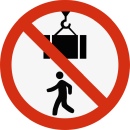
It is prohibited to consume or be under the influence of alcohol or drugs at the company.

It is prohibited to bring, import, or store firearms, explosives, and pyrotechnics.

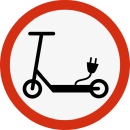
Electric micro-motor vehicles are prohibited.
Caution! Slippery surfaces and changes in surface level and obstacles are possible. Risk of falling.